Access to clean and safe water is essential for public health, agriculture, industry, and everyday life. Among the many methods used to purify water, chlorine treatment remains one of the most effective, affordable, and widely used solutions worldwide.
From municipal water systems to household storage tanks, chlorine plays a critical role in preventing waterborne diseases and ensuring water safety.
What Is Chlorine Water Treatment?
Chlorine water treatment is the process of adding chlorine-based compounds to water to eliminate harmful microorganisms such as bacteria, viruses, and parasites.
When chlorine is introduced into water, it reacts to form disinfecting agents that destroy pathogens by attacking their cell walls and disrupting vital biological functions.
The process helps reduce the risk of diseases including cholera, typhoid fever, dysentery, and hepatitis A.
Common Forms of Chlorine Used in Water Treatment
Several chlorine compounds are commonly used for water disinfection:
- Chlorine gas (Cl₂): Often used in large municipal treatment facilities.
- Sodium hypochlorite: A liquid solution commonly known as liquid bleach.
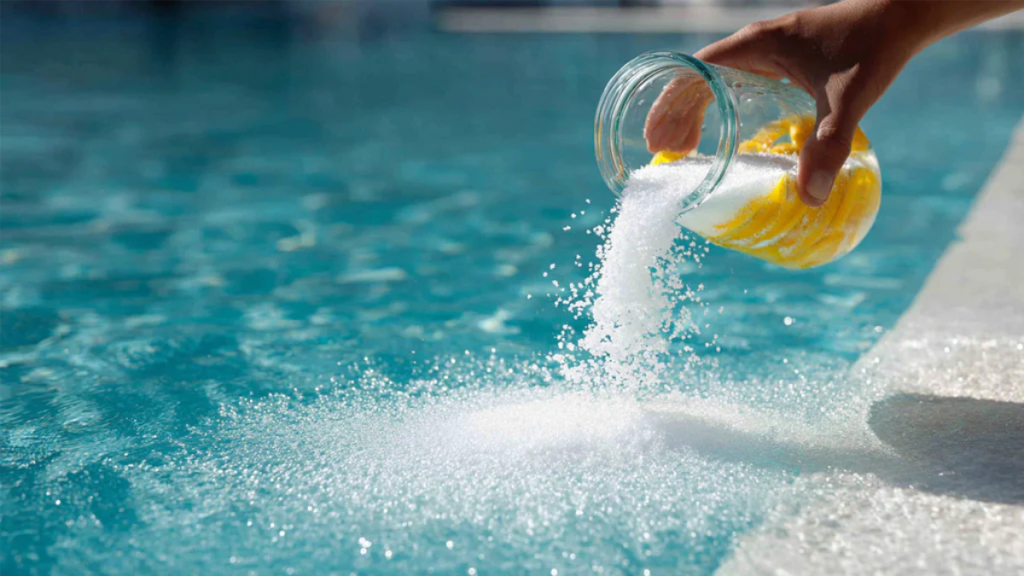
- Calcium hypochlorite: Available in granular or tablet form and frequently used for swimming pools, wells, and emergency water treatment.
The choice of chlorine type depends on factors such as treatment scale, cost, storage requirements, and operational expertise.
How Chlorine Disinfects Water
The chlorine treatment process typically follows these steps:
1. Chlorine is added to untreated water.
2. The chlorine dissolves and forms hypochlorous acid and hypochlorite ions.
3. These compounds attack and destroy harmful microorganisms.
4. A small amount of chlorine remains in the water as a residual disinfectant, providing ongoing protection against recontamination during storage and distribution.
This residual effect is one of chlorine's key advantages over many alternative treatment methods.
Benefits of Chlorine Water Treatment
Effective Against Harmful Microorganisms
Chlorine is highly effective at killing a broad range of bacteria and viruses that can cause serious illness.
Cost-Effective
Compared to many advanced treatment technologies, chlorine is relatively inexpensive and easy to implement.
Residual Protection
Unlike methods such as ultraviolet (UV) treatment, chlorine continues protecting water after treatment by maintaining a residual disinfectant level.
Scalable
Chlorination systems can be used in large city water networks, industrial facilities, rural communities, schools, healthcare facilities, and individual households.
Challenges and Considerations
While chlorine treatment offers many advantages, it also requires proper management.
Taste and Odor
Excessive chlorine levels can create an unpleasant taste or smell.
Formation of Byproducts
Chlorine can react with organic matter in water to form disinfection byproducts such as trihalomethanes (THMs). Maintaining appropriate dosing and pre-treatment processes helps minimize these risks.
Effectiveness Depends on Water Quality
Cloudy or highly contaminated water may require filtration before chlorination to ensure effective disinfection.
Safe Handling
Concentrated chlorine products must be stored and handled carefully to avoid health and safety risks.
Best Practices for Chlorine Water Treatment
To maximize effectiveness and safety:
- Test water quality regularly.
- Use the correct chlorine dosage.
- Maintain the recommended contact time before consumption.
- Monitor residual chlorine levels.
- Store chlorine products in cool, dry, and secure locations.
- Train operators on proper handling procedures.
As water treatment technologies continue to evolve, chlorine remains a cornerstone of safe drinking water systems worldwide. In many cases, it is combined with filtration, ultraviolet treatment, or other advanced processes to create multi-barrier protection strategies.