Kozi Bora za Sayansi za Kusoma Mwaka 2026/2027 kwa Ngazi ya Diploma na Degree
Uchaguzi wa kozi sahihi unaweza kuwa hatua muhimu kuelekea mafanikio ya kitaaluma na kiuchumi



Suggested:
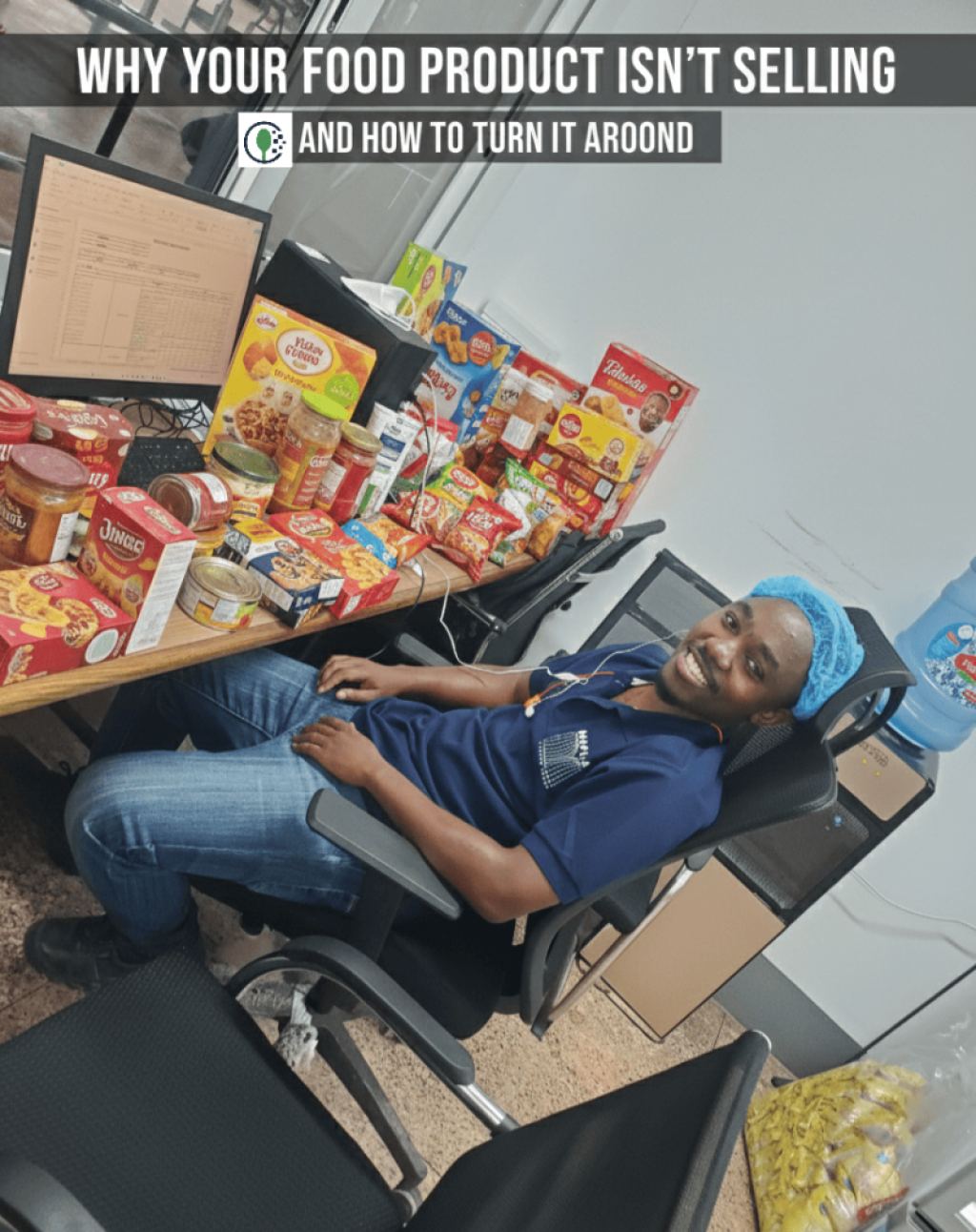
Launching a food product and watching it underperform in the market can be disheartening. Negative reviews, stagnant sales, and slow repeat purchases often leave founders wondering: What went wrong?
Launching a new food or beverage product is often the culmination of months—or even years—of research, development, and investment. Yet many promising products struggle to gain traction after launch. Sales remain stagnant, repeat purchases fail to materialize, and consumer reviews reveal disappointment rather than enthusiasm.
When this happens, founders and product developers typically point to pricing, packaging, distribution, or marketing as the primary causes. While these factors certainly influence commercial performance, the underlying issue is often far more fundamental:
Consumers simply do not enjoy the overall eating experience enough to buy the product again.
Table of contents [Show]
Many brands focus heavily on flavour systems, believing that stronger or more appealing flavourings will solve product performance issues. However, flavour perception begins long before added flavour ingredients are introduced.
Consumers evaluate products through a complex sensory process that involves taste, aroma, texture, appearance, and expectation. If the foundational formulation is flawed, even the most sophisticated flavour technology cannot fully compensate.
In today's competitive marketplace, functionality alone is rarely enough. A product may be healthier, more sustainable, or packed with beneficial ingredients, but if the sensory experience is disappointing, consumers are unlikely to become repeat customers.
Successful products begin with a well-balanced formulation.
The interaction between sweetness, saltiness, acidity, bitterness, and fat content influences far more than flavour alone. These components also affect:
When these elements are out of balance, consumers often perceive the product as unpleasant, regardless of the quality of the added flavourings.
A common mistake in product development is attempting to mask formulation weaknesses with stronger flavours instead of addressing the underlying balance of ingredients.
Research consistently shows that texture plays a significant role in product acceptance.
Consumers develop expectations about how a product should feel before they even taste it. A protein beverage may be expected to feel smooth and creamy, while a snack product may be expected to deliver crispness and crunch.
When texture conflicts with these expectations, consumers often reject the product despite liking the flavour.
Common texture-related issues include:
Texture is not a secondary consideration—it is a critical component of the overall sensory experience.
Consumers begin forming opinions about a product long before it reaches their mouths.
Visual appearance, packaging design, colour, and aroma create expectations that influence how flavour is ultimately perceived.
For example:
When the actual eating experience fails to meet these pre-consumption expectations, consumer satisfaction declines.
This is why successful products align appearance, aroma, flavour, and texture into a cohesive sensory experience.
A product does not exist in isolation. Consumers evaluate it based on the category it belongs to and the expectations associated with that category.
For instance:
Even if a product is scientifically effective or nutritionally superior, consumers may reject it if the sensory profile does not match their expectations.
A hydration drink that tastes excessively salty may deliver functional benefits, but consumers are unlikely to finish the bottle—let alone purchase it again.
While sensory shortcomings are often the root cause, several interconnected factors can amplify market challenges.
Products frequently perform well in controlled testing environments but fail when exposed to broader consumer audiences.
What appeals to a small focus group may not resonate with mainstream purchasing behaviour.
Consumers need to understand immediately:
Confusing messaging or unclear positioning can prevent trial purchases, regardless of product quality.
Consumers evaluate products based on both actual and perceived value.
Even highly enjoyable products can struggle when pricing significantly exceeds category expectations without a clearly communicated benefit.
A product cannot succeed if consumers cannot find it.
Insufficient retail placement, weak online visibility, poor distribution networks, or inconsistent stock availability can all hinder growth.
Before investing in new flavour systems, evaluate the fundamentals.
Gather consumer feedback on:
The goal is to identify formulation weaknesses that may be undermining the product experience.
Flavourings should complement a well-designed base, not conceal defects.
When the foundation is balanced, flavour systems become significantly more effective at creating memorable and enjoyable experiences.
Consumer testing should be an ongoing process rather than a one-time event.
Effective validation methods include:
Laboratory success does not always translate into real-world success. Continuous feedback helps bridge that gap.
Today's food and beverage market is saturated with options. Consumers have unprecedented choice, and switching costs are extremely low.
As a result, repeat purchases are driven less by product claims and more by product experience.
Health benefits may encourage an initial purchase.
Sustainability claims may generate interest.
Convenience may create awareness.
But sensory satisfaction is what drives loyalty.
If consumers do not enjoy the product's taste, texture, aroma, and overall experience, repeat purchases will inevitably suffer.
Successful food products are created at the intersection of science, sensory design, and consumer psychology.
The brands that win are not necessarily those with the most innovative ingredients or the largest marketing budgets. They are the brands that consistently deliver a satisfying and memorable consumer experience.
The secret is rarely found in simply adding more flavour. It lies in creating harmony across every sensory touchpoint—from formulation and texture to aroma, appearance, and expectation.
When consumers genuinely enjoy the experience, repeat purchases follow. And when repeat purchases increase, sustainable commercial success becomes far more achievable.
Uchaguzi wa kozi sahihi unaweza kuwa hatua muhimu kuelekea mafanikio ya kitaaluma na kiuchumi
Foodova is pleased to share that nominations are now open for the 2026 Zayed Sustainability Prize, a globally recognized award that celebrates organizations driving meaningful impact through sustainable innovation.
The field of food science and technology is evolving rapidly, driven by innovations in sustainability, nutrition, and food safety. For recent graduates entering this sector, standing out in a competitive job market requires more than just a degree. Here’s how you can enhance your employability and secure your place in this exciting industry.