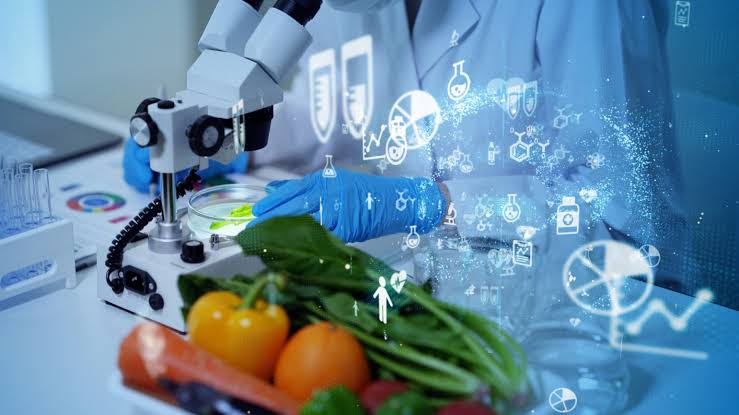
Bachelor of Science in Food Science and Technology
Explore the Bachelor of Science in Food Science and Technology at Sokoine University of Agriculture (SUA). Discover the course breakdown, curriculum highlights, and career opportunities.
Food Science and Technology is a multidisciplinary field that combines food chemistry, microbiology, engineering, nutrition, processing, quality assurance, packaging, and food business management.
The aim of this degree programme is to provide students with university-level education and practical knowledge in Food Science and Technology. Graduates are prepared to pursue careers in the food industry, other sectors of the food chain, related scientific fields, regulatory and advisory services, or self-employment.
The programme is structured into six semesters, covering both core Food Science and Technology courses and supporting elective courses.
Semester 1
Core Courses
Introduction to Food Science
Engineering Drawing
Food Biochemistry
Food Microbiology I
Nutritional Physiology
Basic Mathematics
Elective Courses
Introduction to Agricultural Economics and Development
Introduction to Microeconomics and Macroeconomics
Principles of Accounting
Principles, Theories and Contemporary Issues of Development
Agriculture and Rural Development
Communication Skills I
Semester 2
Core Courses
Food Physical Chemistry
Principles of Food Engineering I
Introduction to Food Biotechnology
Food Analysis and Instrumentation I
Computer Applications
Introductory Statistics
Communication Skills II
Elective Courses
Introduction to Agribusiness
Introduction to Agricultural Extension
Introductory Anthropology
Principles of Administration and Management
Extension Communication and Interpersonal Skills
Semester 3
Core Courses
Food Analysis and Instrumentation II
Food Enzymology
Principles of Food Engineering II
Food Chemistry
Food Microbiology II
Principles of Food Processing and Preservation
Elective Courses
Extension Methods
Macroeconomics
Agribusiness and Entrepreneurship Development
Introduction to Gender and Development
Communication Skills
Semester 4
Core Courses
Unit Operations in Food Processing I
Technology of Fruits and Vegetables
Technology of Meat and Fish
Sensory Evaluation of Foods and Product Development
Technology of Legumes and Oilseeds
Food Storage and Handling
Food and Nutrition Security
Elective Courses
Agricultural Administration and Management
Environmental Impact Assessment and Management
Nutritional Biochemistry
Business Laws and Ethics
Extension Programme Planning and Evaluation
Semester 5
Core Courses
Research Project I
Research Methods in Food Science and Proposal Development
Applied Food Biotechnology
Food Quality Assurance and Legislation
Food Hygiene
Unit Operations in Food Processing II
Technology of Milk Products
Material Science for Food Technologists
Elective Courses
Gender and Development
Communication Skills
Electronic Commerce
Information and Communication Management
Semester 6
Core Courses
Fermentation Technology
Technology of Spices and Non-Alcoholic Beverages
Pilot Plant Processes
Plant and Equipment Layout and Maintenance
Food Economics and Industry Management
Food Packaging
Research Project II
Elective Courses
Technology of Cereals, Tubers and Sugar
Policy Analysis for Food and Nutrition
Nutrition Information, Education and Communication
Agribusiness Skills II
What Do Food Science and Technology Graduates Do?
A degree in Food Science and Technology provides a broad range of career opportunities because food scientists and technologists are involved in almost every stage of the food supply chain—from raw materials and processing to quality control, packaging, distribution and consumer safety.
Graduates can work in:
Food Processing and Manufacturing
Graduates can work in food processing companies in areas such as:
Production and processing
Quality control and quality assurance
Food safety
Product development
Research and development
Process optimization
Production supervision and management
Food Quality and Safety
Graduates can pursue careers in food safety and quality management, including:
HACCP implementation
Food safety management systems
Quality assurance
Laboratory analysis
Food hygiene
Regulatory compliance
Auditing and inspection
Food Supply Chain and Related Industries
Food scientists can also work across other parts of the food chain, including food supply, distribution, storage, packaging and related industries.
Regulatory and Advisory Services
Graduates may work with government agencies, regulatory bodies, laboratories, certification organizations, consulting firms and other institutions involved in food safety, standards, nutrition and regulatory compliance.
Research and Development
The programme provides a foundation for careers in research and innovation. Graduates can participate in the development of new food products, food processing technologies, packaging systems, quality improvement programmes and food safety solutions.
Entrepreneurship and Self-Employment
Food Science and Technology graduates can also become entrepreneurs by establishing businesses related to food production, processing, product development, food testing, consulting, quality assurance, food safety and other food-related services.
Further Education
Graduates who wish to specialize further can pursue postgraduate studies, including Master's and eventually PhD programmes in Food Science and Technology or related scientific disciplines.
Why Study Food Science and Technology?
Food is one of the world's most essential industries, creating continuous demand for professionals who understand how food is produced, processed, preserved, tested, packaged and regulated.
A Food Science and Technology degree therefore provides students with a combination of scientific, technical, managerial and entrepreneurial skills that can be applied across the food value chain.
Whether your goal is to work in a food manufacturing company, develop innovative food products, establish a food business, work in food safety and quality assurance, conduct research, or pursue an academic career, Food Science and Technology provides a strong foundation for entering the food industry.
Leave A Comment
Popular Posts

How Food Professionals Can Monetize Thei...
23 Sep, 2026
BPA Ban in Food Packaging
26 Aug, 2026
0 Comments
No comments yet. Be the first to verify this service!